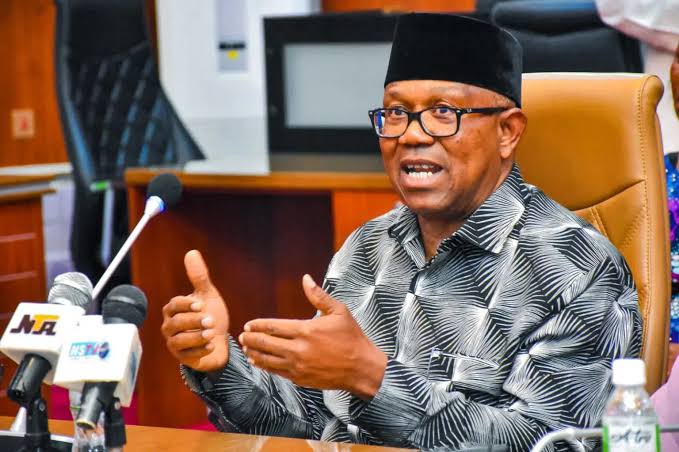
Former Anambra State governor and Nigeria Democratic Congress (NDC) presidential candidate Peter Obi has called on governments at all levels to strengthen disaster prevention, improve emergency preparedness and protect vulnerable Nigerians from avoidable crises.
Obi made the call in a Facebook post marking the International Day for Disaster Risk Reduction, drawing attention to challenges confronting communities across the country, including flooding, insecurity, displacement, hunger, malnutrition and poverty.
He argued that Nigeria’s vulnerability to disasters was compounded by governance failures, inadequate planning, weak institutions and insufficient preparedness.
His intervention places renewed attention on the importance of preventing emergencies before they occur, rather than relying primarily on relief efforts after communities have suffered damage.
Prevention and preparedness remain critical
Disasters can have far-reaching consequences for households, businesses and public infrastructure. Flooding, for example, can destroy homes, disrupt transport networks, damage farms and displace families, while weak emergency systems can delay assistance to affected communities.
Effective disaster-risk management requires coordinated planning, reliable early-warning systems, well-equipped emergency agencies and sustained investment in infrastructure.
State and local governments also play important roles through land-use planning, drainage maintenance, public awareness and enforcement of development regulations.
Obi’s remarks highlight the need for governments to treat disaster preparedness as a continuing responsibility rather than an occasional response to major incidents.
Protecting vulnerable communities
The impact of disasters is often most severe for low-income households and communities with limited access to secure housing, healthcare and emergency assistance.
For such groups, a single major incident can destroy livelihoods and deepen existing poverty.
Stronger preparedness measures can reduce these risks by improving evacuation planning, ensuring access to emergency supplies and enabling authorities to respond more quickly when danger emerges.
Obi’s call also raises broader questions about the relationship between governance, public spending and resilience. Preventive investment may reduce the human and financial costs associated with recurring emergencies.
As climate-related risks and other security challenges place pressure on communities, the effectiveness of disaster-management policies will depend on whether governments can turn public commitments into coordinated action.
The priority, as highlighted by Obi’s intervention, is to ensure that institutions are equipped to anticipate risks, respond effectively and protect citizens before preventable crises become disasters.