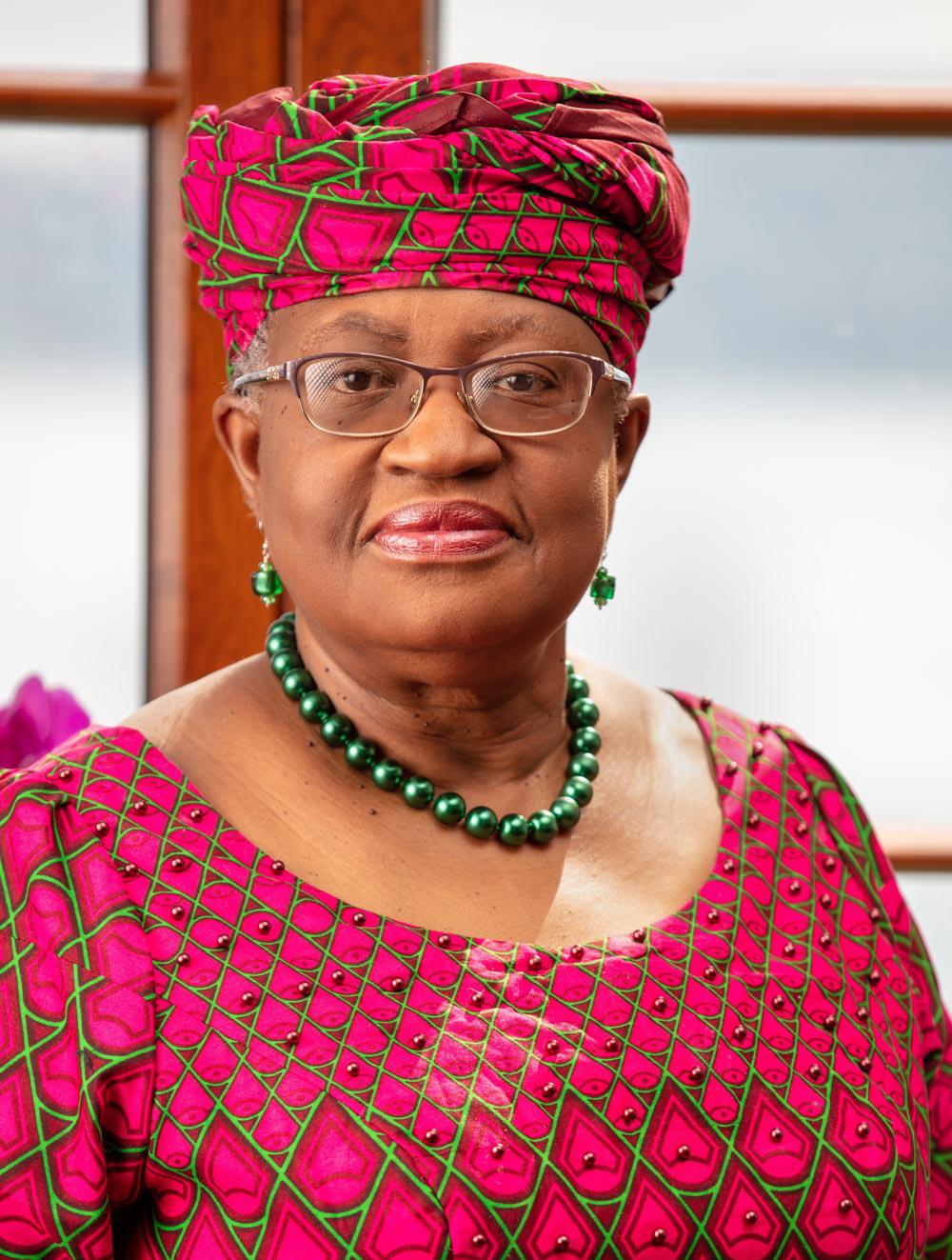
The Director-General of the World Trade Organization (WTO), Ngozi Okonjo-Iweala, has recounted how an investigation into suspected fraud involving Nigeria’s fuel subsidy programme led to threats against her and the kidnapping of her mother in 2012.
Okonjo-Iweala disclosed the ordeal in an interview with Bloomberg, recalling the personal risks she faced while serving as Nigeria’s finance minister under former President Goodluck Jonathan.
According to her account, concerns arose after she noticed a sharp increase in claims submitted by fuel importers seeking government payments under the petroleum subsidy programme.
At the time, Nigeria relied heavily on imported refined petroleum products because domestic refineries could not meet national demand. Under the subsidy arrangement, the government paid importers to enable them to sell fuel at regulated prices.
Okonjo-Iweala said she raised concerns about the claims with Jonathan and obtained approval to audit the accounts.
The investigation uncovered what she described as approximately $2.4 billion in fraud, prompting the government to withhold payments on disputed claims.
She said the decision triggered threats against her before her mother, Kamene Okonjo, was abducted.
The kidnappers reportedly demanded that she resign as finance minister and leave Nigeria in exchange for her mother’s release.
“It was a terrible, terrible five-day ordeal. I think the worst in my life,” Okonjo-Iweala recalled.

QED Nigeria
Mother Held Captive for Five Days
Kamene Okonjo was abducted from her home in Ogwashi-Uku, Delta State, in December 2012, when she was 83 years old.
Okonjo-Iweala said her mother was held in a forest during the ordeal but eventually escaped.
“She was held in the middle of a forest and one night she escaped. She’s still alive. She’s 96 now,” she said in the interview.
The WTO chief described the incident as an intensely painful experience, explaining that the memory remained distressing for her mother even years later.
She also reflected on the difficult choice she faced when her mother’s life was threatened in an attempt to force her out of office.
“Having my mother alive and staying in a job, I will pick my mother any day,” she said.
The account offers a personal perspective on the pressures and risks associated with efforts to investigate alleged financial wrongdoing involving powerful commercial interests.
Fuel Subsidy Programme Under Scrutiny
Nigeria’s fuel subsidy programme was established to keep the retail price of petrol below the full cost of supply, with the government covering the difference under the applicable arrangements.
Over the years, the system became the subject of intense controversy over public spending, import claims, payment verification and allegations of fraudulent practices.
Okonjo-Iweala’s account highlights the difficulties officials can face when attempting to challenge questionable claims involving substantial public funds.
The approximately $2.4 billion figure refers to the fraud she said the investigation uncovered. The specific claims and transactions should be distinguished from a judicial determination of criminal liability against any particular individual.
Her recollection also illustrates the potential personal consequences of confronting suspected corruption, particularly where the interests at stake involve large sums of public money.
A Lasting Reminder of the Cost of Anti-Corruption Efforts
Okonjo-Iweala served as Nigeria’s finance minister under Jonathan before becoming WTO director-general in March 2021.
Her experience in government included efforts to strengthen public financial management and address concerns over the use of public resources.
The kidnapping of her mother became one of the most harrowing episodes associated with her time in office, underscoring how disputes over public funds can extend beyond political and economic disagreements to threaten the safety of officials and their families.
More than a decade later, her account has again drawn attention to the challenges of accountability in the management of public revenue.
For Nigeria, the wider lesson remains the importance of transparent financial controls, credible investigations, effective law enforcement and safeguards for public officials who raise concerns about suspected wrongdoing.
The episode also serves as a reminder that corruption investigations are not merely disputes over figures in government accounts: they can involve serious human consequences for those caught in the conflict.