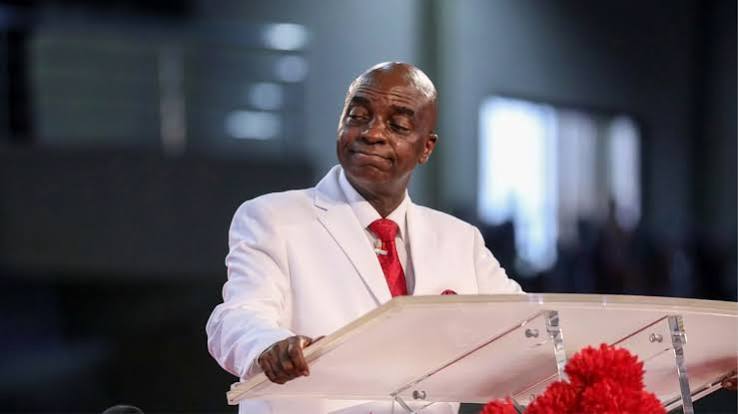
Bishop David Oyedepo, founder of Living Faith Church Worldwide, has criticised arguments against the election of a Christian as Nigeria’s president on religious grounds, saying no religious or ethnic group has exclusive ownership of the country.
Oyedepo made the remarks during a church service while responding to comments attributed to individuals who said they would not support a Christian presidential candidate. His comments were reported on October 2, 2026.
Cleric challenges religious exclusion
Questioning the basis for excluding a candidate because of their faith, Oyedepo said: “Muslims don’t own Nigeria, we’re not tenants to the Fulanis, no Nigerian is more Nigerian than others. We own this country together.”
The cleric’s remarks centred on the principle that Nigerians should not be treated as having different levels of national belonging because of religion or ethnic background.
His position challenges the idea that the presidency should be considered the exclusive preserve of a particular religious community.
The comments have added to public discussion about religion and political representation ahead of the 2027 general election.
Religion and presidential politics
Nigeria has large Christian and Muslim populations, and the religious identities of presidential candidates have periodically featured in debates about inclusion, political balance and national unity.
Some political discussions frame religious representation around fairness and the recognition of different communities. Other voices argue that a candidate’s faith should not be used to deny them political support, with voters free to assess candidates on their policies, conduct and plans for governance.
Oyedepo’s remarks reflect his opposition to religious exclusion. They do not establish how Nigerians will vote or how political parties will select their presidential candidates.
The comments also come amid calls from other religious leaders for politicians to avoid exploiting faith and ethnicity during election campaigns. CAN President Archbishop Daniel Okoh has warned that identity-based political mobilisation should not deepen divisions or expose young people to violence.
Debate over equal citizenship
At the centre of Oyedepo’s statement is the question of whether religious identity should determine a citizen’s eligibility for political support.
As preparations for 2027 continue, the debate is likely to intersect with wider discussions about representation, constitutional rights, national cohesion and the criteria voters use when evaluating candidates.