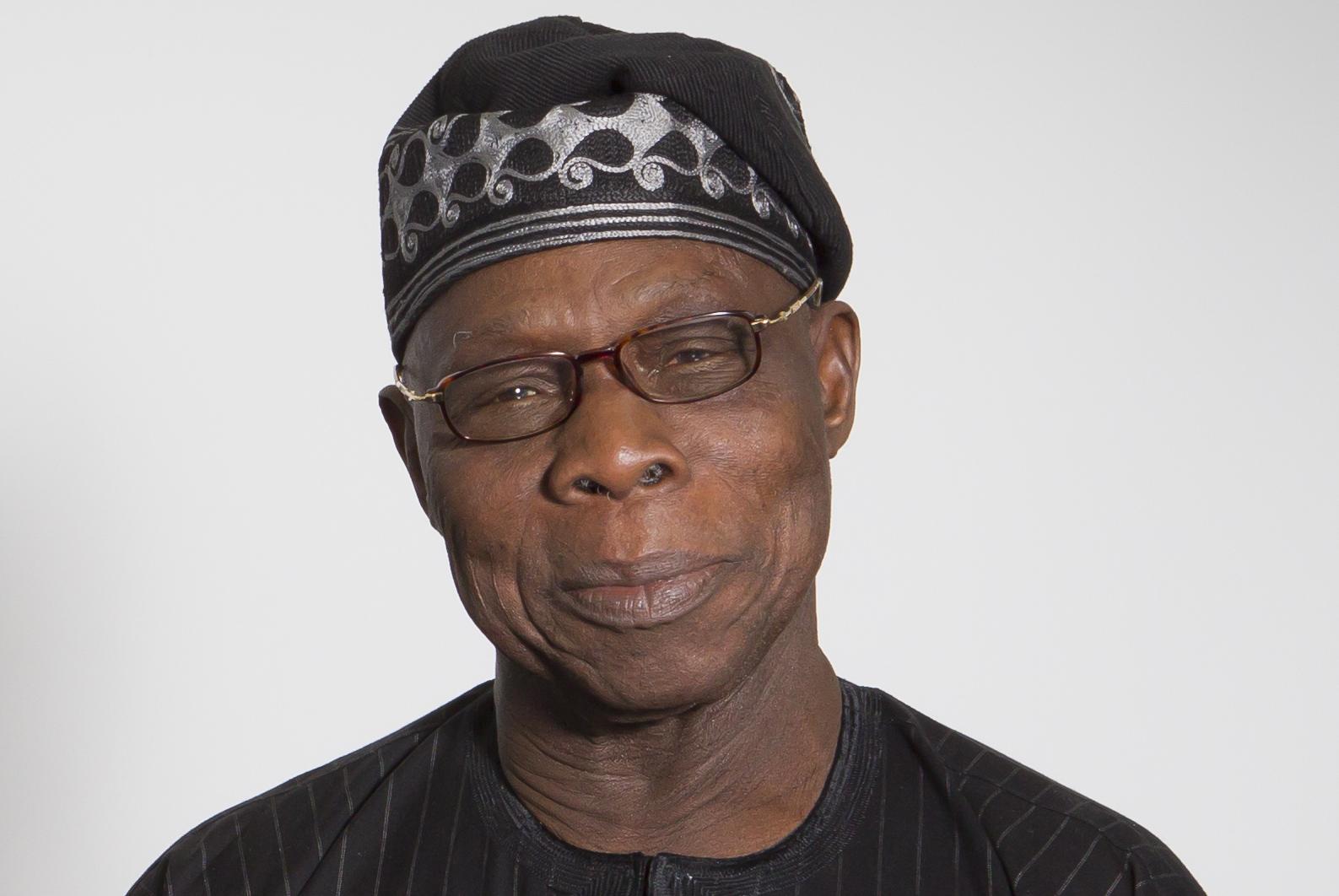

Former President Olusegun Obasanjo has described corruption as one of the most serious obstacles to Nigeria’s development, arguing that the practice worsens poverty and places an additional burden on the country’s most vulnerable citizens.
Obasanjo spoke on Monday at the public presentation of Unexplained Wealth: A Trilogy of Nigerian Financial Law, a three-volume book written by legal practitioner Wahab Shittu.
Chairman of the event, the former president called for accountability for those responsible for corruption and other practices that undermine national development.
He described corruption as a major threat to progress, arguing that unexplained wealth was incompatible with social advancement and sustainable development.
Poor Nigerians Bear the Burden
Obasanjo said the effects of corruption were particularly severe for people already struggling to meet their basic needs.
According to the former president, the diversion or misuse of public resources can deepen economic hardship by reducing the resources available for essential services and development programmes.
He said the poor suffer disproportionately in a corrupt society because practices that weaken public institutions and economic opportunities can further limit their access to resources.
The remarks place the consequences of corruption within a broader discussion of poverty, public accountability and the management of national wealth.
Focus on Unexplained Wealth
The book presented at the event examines unexplained wealth through the lens of Nigerian financial law.
The subject raises questions about how authorities identify assets whose origins cannot be adequately explained, establish the legal basis for investigations and pursue appropriate remedies within the law.
Efforts to address unexplained wealth require effective financial investigation, reliable documentation, due process and institutions capable of enforcing relevant laws.
The presentation also provided a platform for discussing the relationship between financial transparency and national development.
Accountability and the Rule of Law
Obasanjo called for those responsible for wrongdoing to be held accountable.
Achieving that objective requires credible investigations, evidence-based prosecutions and fair judicial proceedings. Allegations of corruption must be distinguished from findings established through the appropriate legal process.
Transparent public procurement, effective auditing and access to reliable financial records can also help strengthen accountability and reduce opportunities for the misuse of public resources.
The former president’s remarks renew attention on the consequences of corruption and the need for institutions to ensure that public wealth serves the broader population.