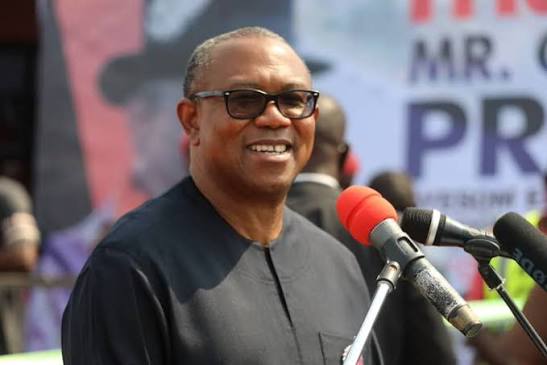
The media office of former Labour Party presidential candidate Peter Obi has challenged the Tinubu administration to account for its performance since the 2023 presidential election, urging the ruling All Progressives Congress (APC) to focus on governance rather than continue disputing Obi’s claim that he won the poll.
In a statement signed by its spokesperson, Idris Zekeri Jnr, on Friday, the media office called on Dele Alake, the President’s Special Adviser on Information and Strategy, and the APC Presidential Campaign Council to explain what Nigerians had gained from the administration’s time in office.
The response followed renewed criticism from the APC campaign council over Obi’s assertion that he won the 2023 presidential election. Alake had challenged the former Labour Party candidate to substantiate the claim, arguing that his remarks disregarded the established electoral outcome.
Obi’s media office, however, maintained that the debate should extend beyond competing claims about the election to an assessment of the administration’s record.
Debate shifts to Tinubu’s performance
The exchange has reopened political arguments surrounding the 2023 election as political parties and their leading figures position themselves ahead of the 2027 general elections.
Obi contested the 2023 presidential election under the Labour Party and finished third behind President Bola Tinubu of the APC and former Vice President Atiku Abubakar of the Peoples Democratic Party (PDP), according to the official results announced by the Independent National Electoral Commission (INEC).
The election result was challenged in court, but the legal challenges did not overturn Tinubu’s victory.
Obi’s continued assertion that he won the election remains a point of contention between his supporters and the ruling party.
Governance and accountability take centre stage
By challenging the administration to account for its achievements, Obi’s media office has sought to redirect the discussion towards issues affecting Nigerians, including the cost of living, employment, economic opportunities, security and access to public services.
The Tinubu administration has defended its economic reforms, including the removal of the petrol subsidy and changes to foreign exchange management, as necessary measures to address longstanding structural weaknesses.
However, the reforms have also attracted criticism over their impact on household incomes, transport costs and the prices of essential goods.
The central question raised by the media office is whether the administration’s policies have delivered sufficient improvements in the lives of ordinary Nigerians.
As political competition intensifies ahead of 2027, the exchange illustrates how the legacy of the 2023 election continues to shape the debate over governance, public accountability and the performance voters should expect from those in power.