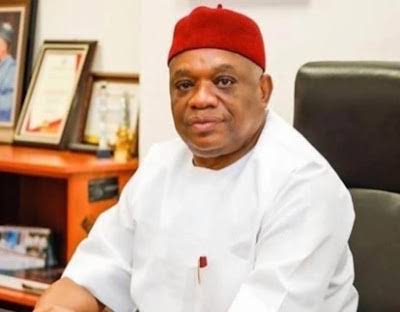
Senator Orji Uzor Kalu has urged President Bola Tinubu to create a two-year amnesty window for people accused of diverting public funds to return the money without prosecution.
Senator Orji Uzor Kalu has appealed to President Bola Ahmed Tinubu to consider an amnesty programme for Nigerians accused of looting public funds.
Kalu, who represents Abia North Senatorial District, proposed a two-year window during which individuals who allegedly diverted public money could return the funds without facing prosecution.
The senator argued that such an approach could help the Federal Government recover large sums of money believed to be held by individuals accused of corruption.
Kalu Proposes Two-Year Amnesty
Kalu called on the President to establish a temporary period for individuals holding allegedly diverted public funds to voluntarily return the money.
Under his proposal, those who return the funds within the period would be pardoned and spared prosecution.
The senator said the initiative could provide the government with an avenue to recover funds that may otherwise remain outside the reach of the authorities.
‘Money Lying Down’
Kalu reportedly argued that significant amounts of money could be recovered if people accused of looting public resources were given an opportunity to return the funds.
He suggested that the government should prioritise recovering the money rather than focusing exclusively on prosecution.
The proposal has raised questions about the balance between recovering public funds and ensuring accountability for alleged corruption.
Debate Over Amnesty for Corruption
An amnesty arrangement for alleged financial crimes would represent a significant departure from the conventional approach of investigation, prosecution and recovery of stolen assets.
While Kalu’s proposal is aimed at recovering public resources, it could also generate debate over whether individuals accused of corruption should be allowed to avoid prosecution by returning allegedly stolen funds.
The senator nevertheless urged Tinubu to consider the proposal as a possible means of recovering substantial public resources.