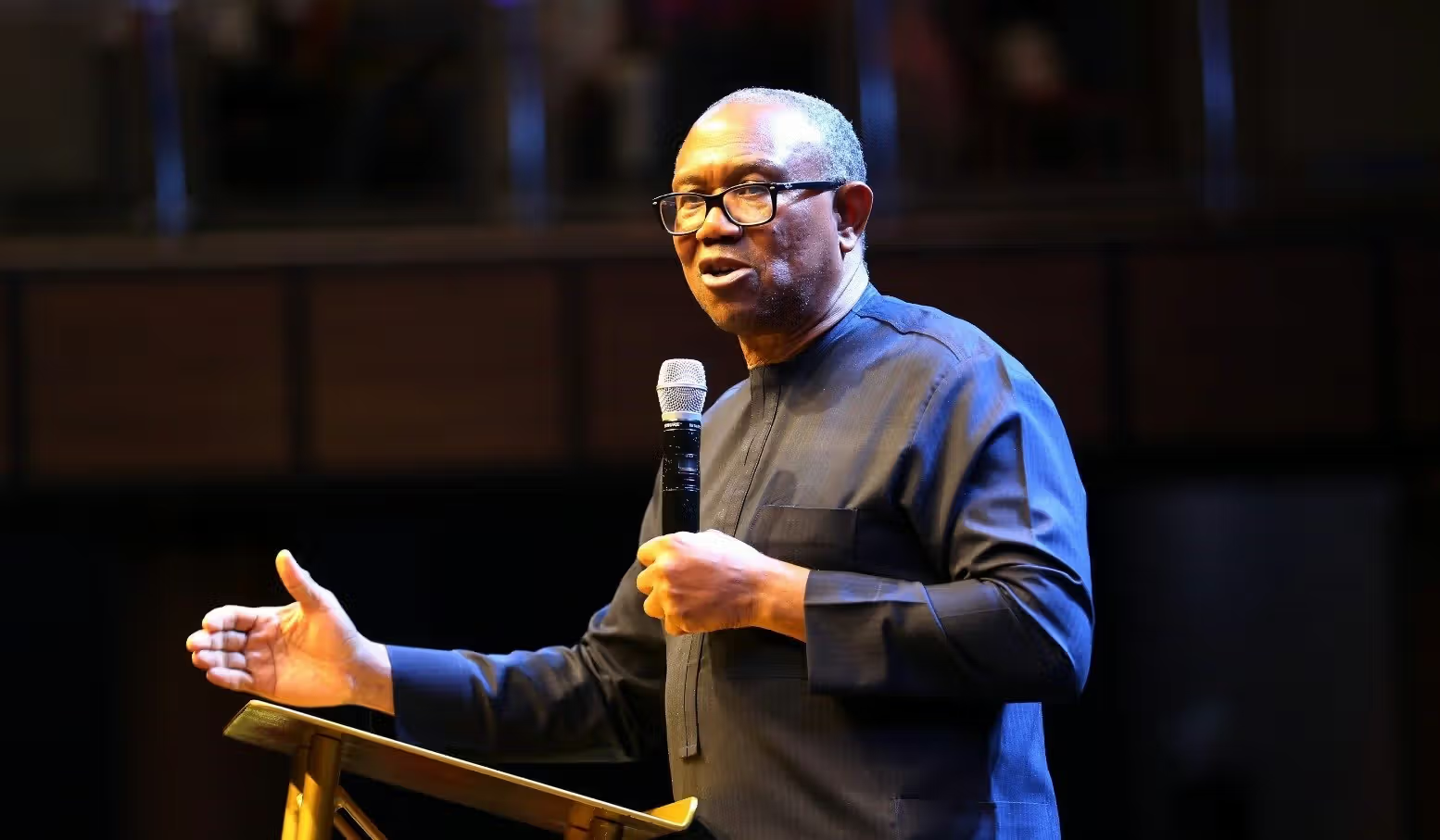
The presidential candidate of the Nigeria Democratic Congress (NDC), Peter Obi, has reaffirmed his support for the removal of Nigeria’s petrol subsidy, putting him at odds with former Vice President Atiku Abubakar over the future of the policy ahead of the 2027 presidential election.
Obi made his position known on Monday during a political session at the Nigerian Bar Association’s annual conference in Port Harcourt, Rivers State.
The former Anambra State governor said subsidy removal was necessary, arguing that the problem was not the decision to remove the subsidy but what he described as the failure to properly manage and deploy the resources recovered from the policy.
“I subscribe, and I maintain that you need to remove subsidy,” Obi said, while arguing that alleged mismanagement of the proceeds should not be used as justification for bringing the subsidy back.
His position differs from that of Atiku, the African Democratic Congress (ADC) presidential candidate, who has said he would restore the petrol subsidy if elected president in 2027.
Obi argued that the government should have accompanied subsidy removal with measures capable of cushioning the immediate impact on Nigerians.
According to him, the resources saved should have been channelled into areas that directly improve citizens’ welfare, including healthcare and other productive sectors.
He also argued that part of the resources could have been saved to strengthen Nigeria’s sovereign wealth position rather than being poorly utilised.
Obi’s intervention comes amid a renewed political debate over the economic consequences of the subsidy removal, which has remained one of the most contentious decisions of the Tinubu administration.
President Bola Tinubu announced the removal of the petrol subsidy during his inauguration on May 29, 2023. The policy immediately changed petrol pricing and was followed by significant increases in transportation and living costs.
The Federal Government has continued to defend the decision as necessary to reduce fiscal pressure and redirect public resources.
The debate has intensified ahead of 2027 after Atiku proposed a return to subsidy, arguing that Nigerians have not benefited sufficiently from its removal.
Obi, however, said reversing the policy would not solve the fundamental problem if the resources generated were still poorly managed.
His position effectively places him between the two sides of the current debate: he supports removing the subsidy but strongly criticises the government’s handling of the proceeds.
The disagreement is likely to become an important part of the economic debate as presidential candidates present competing approaches to reducing hardship and managing public finances ahead of the 2027 election.