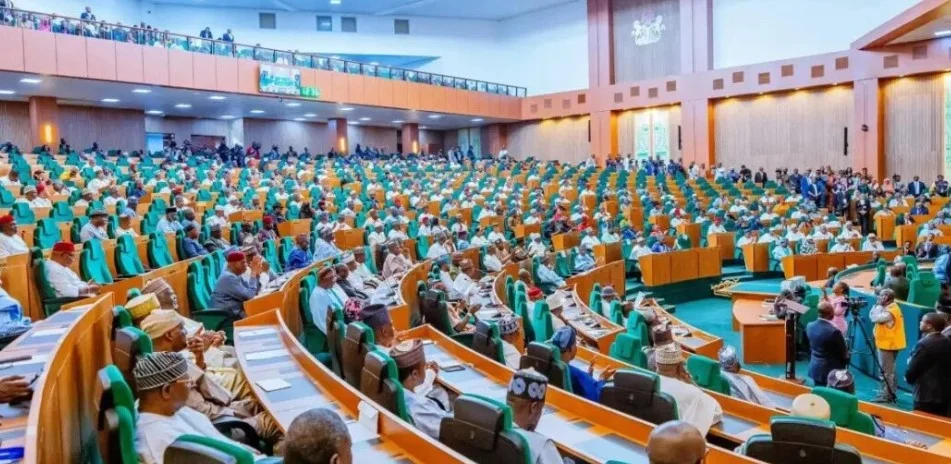
The House of Representatives has ordered a comprehensive investigation into all seized, forfeited, recovered and repatriated assets handled by government institutions since 1999, citing concerns over transparency, accountability and poor record-keeping.
The House of Representatives has resolved to investigate all assets seized, forfeited, recovered, managed, disposed of and repatriated by government institutions since Nigeria’s return to democratic rule in 1999.
The resolution followed the adoption of a motion on the floor of the House, with lawmakers expressing concerns over the lack of a comprehensive inventory of recovered assets and the absence of transparent mechanisms for tracking their management and disposal.
Lawmakers Seek Nationwide Audit
The House directed the Federal Government to carry out a comprehensive audit and verification of all recovered assets in the custody of ministries, departments and agencies (MDAs), anti-corruption agencies, security agencies and the courts from May 29, 1999 to date.
Lawmakers said the exercise should determine the inventory, value, status, utilisation, preservation, disposal and proceeds generated from such assets.
Transparency Concerns
Sponsors of the motion argued that successive administrations have recovered substantial assets linked to corruption, money laundering, terrorism financing and other financial crimes, but that Nigerians lack access to accurate records showing how those assets have been managed.
According to the House, inadequate documentation and weak oversight have fuelled public concerns over transparency and accountability in the management of recovered public assets.
Digital Asset Registry Proposed
As part of its resolutions, the House also called for the establishment of a digital national asset recovery and management registry.
Lawmakers said the proposed platform would centralise records relating to all recovered and forfeited assets, improve public accountability and strengthen institutional oversight.
The registry, they noted, would also help eliminate duplication, improve inter-agency coordination and make it easier to monitor the disposition of recovered assets.
Review of Existing Laws
The House further resolved to review the implementation of the Proceeds of Crime (Recovery and Management) Act, 2022, alongside other legislation governing asset recovery.
According to lawmakers, the review is intended to identify legal gaps, inconsistencies and areas requiring legislative amendments to strengthen Nigeria’s asset recovery framework.
Since Nigeria returned to democratic rule in 1999, agencies including the Economic and Financial Crimes Commission (EFCC), Independent Corrupt Practices and Other Related Offences Commission (ICPC), police, customs and other security institutions have recovered billions of naira in cash, landed properties, vehicles and other assets linked to corruption and financial crimes.
However, concerns have repeatedly been raised by civil society groups and lawmakers over the absence of a unified database showing the location, value and utilisation of recovered assets.