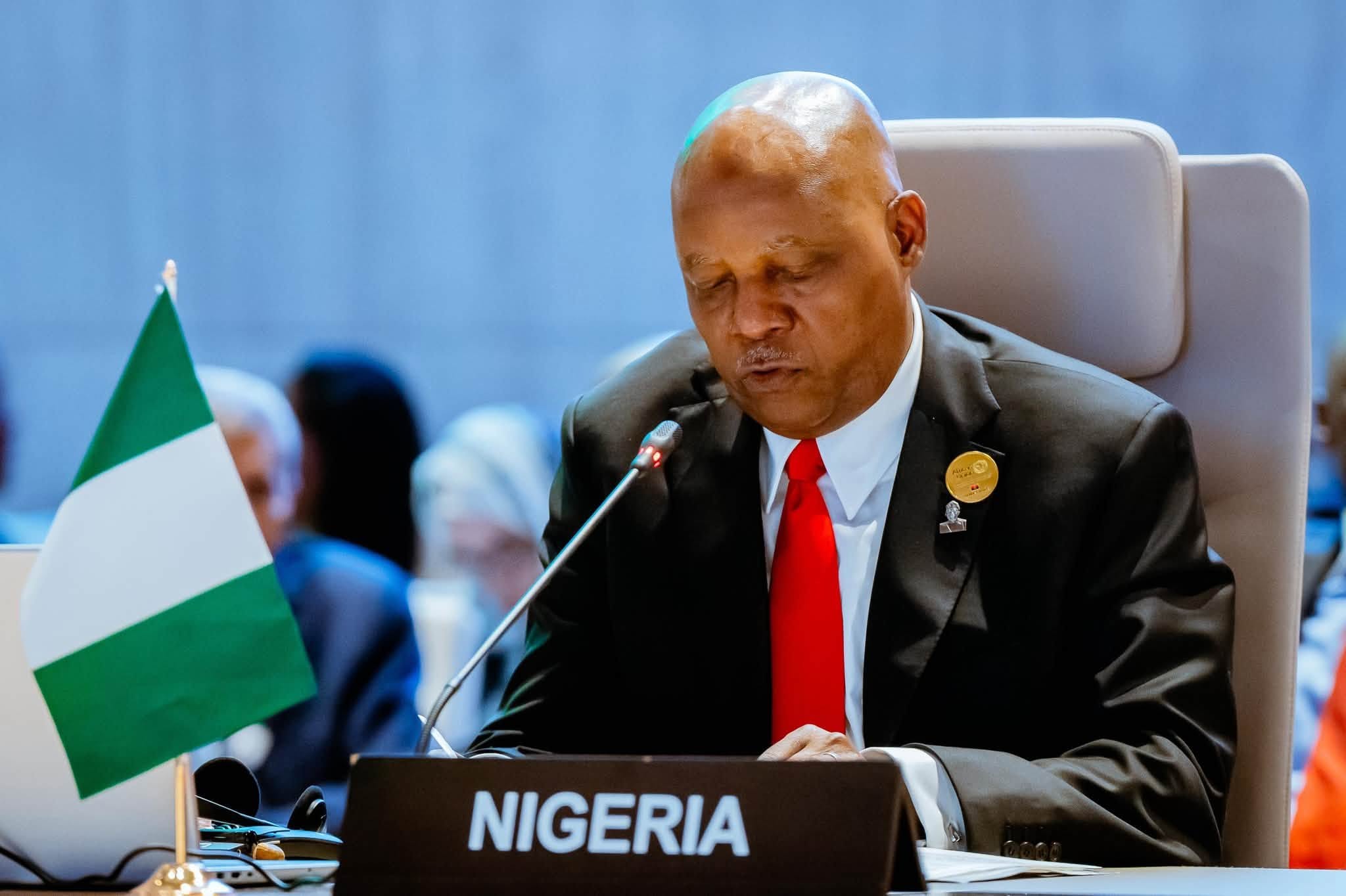
Vice President Kashim Shettima has warned that Nigeria will no longer tolerate the dehumanisation or mistreatment of Nigerians living in South Africa.
Shettima’s remarks come amid renewed concerns over xenophobic and Afrophobic attacks involving Nigerians and other African nationals in South Africa.
The Vice President said the Nigerian government would not remain silent when the safety, dignity and rights of its citizens are threatened.
He stressed that Nigeria expected the South African authorities to take the protection of Nigerians and other foreign nationals seriously.
According to Shettima, Nigeria remains committed to diplomatic engagement with South Africa but would continue to speak out whenever Nigerians face unacceptable treatment.
The issue of xenophobia has remained a recurring source of tension between Nigeria and South Africa, with Nigerians living and doing business in the country periodically reporting harassment, attacks and other forms of discrimination.
Shettima said Nigeria’s position was not aimed at creating hostility between the two countries but at ensuring that Nigerians living in South Africa receive the protection guaranteed to them.
He also stressed the importance of maintaining strong relations between the two leading African nations while addressing issues capable of damaging bilateral ties.
The Vice President’s comments come at a time when the Federal Government has increased its diplomatic attention to reported attacks against Nigerians in South Africa.
President Bola Tinubu’s administration has also raised the matter at the continental level, seeking greater African Union attention to xenophobic and Afrophobic attacks.
Shettima maintained that Nigeria would continue to pursue dialogue and peaceful diplomatic channels, but warned that the government could not accept a situation in which Nigerian citizens were repeatedly humiliated or placed in danger.
The latest warning underscores the growing pressure on Nigeria and South Africa to address recurring tensions involving migration, economic competition and the treatment of foreign nationals.
Nigeria and South Africa remain two of Africa’s largest economies and most influential countries, making the management of their bilateral relationship particularly important to the continent.