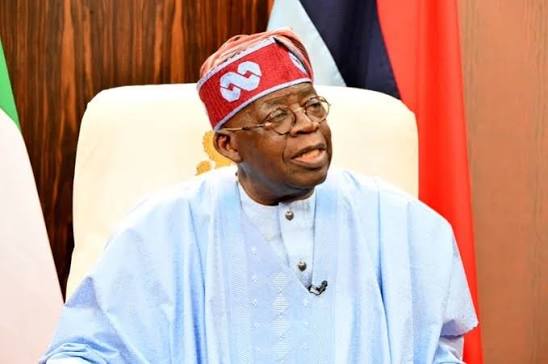
President Bola Ahmed Tinubu has ordered a comprehensive reform of Nigeria’s football system following repeated failures by the country’s national teams to qualify for major international competitions.
The directive was announced on Thursday, the same day Nigeria Football Federation President Ibrahim Gusau and other members of the federation’s leadership resigned.
Tinubu directed the National Sports Commission (NSC) to work with the NFF and other stakeholders to address structural weaknesses affecting football governance and development.
The proposed reforms will cover governance, administration, stakeholder representation, player-development pathways, domestic competitions and accountability.
The President said Nigeria’s considerable football talent and public investment had not been matched by sufficiently strong institutions and sustained sporting performance.
The directive follows a difficult period for Nigerian football.
The Super Eagles failed to qualify for the 2026 FIFA World Cup after losing a playoff to the Democratic Republic of Congo on penalties.
The Super Falcons also missed qualification for the 2027 Women’s World Cup after losing to South Africa, ending Nigeria’s uninterrupted participation in the women’s tournament since its creation in 1991.
Tinubu directed the NSC chairman to work with the NFF secretariat and relevant stakeholders to ensure continuity in essential football administration while a broader reform process is undertaken.
The President also directed engagement with FIFA and the Confederation of African Football (CAF), with the government stressing that Nigeria’s international football obligations must be preserved.
The reforms therefore come at a critical point for the country’s football administration, particularly following the resignation of Gusau and members of the NFF executive committee.
The leadership changes and presidential directive could now trigger a wider review of how football is administered, financed and developed in Nigeria.
The success of the proposed reform will ultimately depend on whether it produces stronger institutions, clearer accountability and a sustainable development pathway for players and national teams.