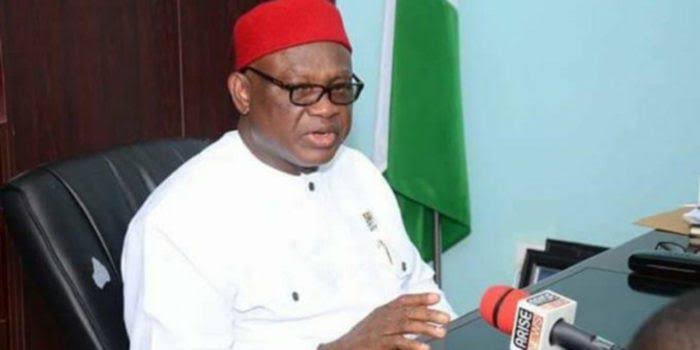
Chief Chekwas Okorie, pioneer national chairman of the All Progressives Grand Alliance (APGA) and president of the Igbo Agenda Dialogue (IAD), has predicted that Peter Obi could attract significantly more votes in Lagos State in the 2027 presidential election than he received in 2023.
Okorie made the prediction while addressing journalists in Abuja on Wednesday, October 21, 2026, during a discussion on the political outlook ahead of the next general election.
He said he expected the number of Igbo voters supporting Obi in Lagos to double compared with the 2023 election, expressing confidence that increased grassroots mobilisation would help the former Anambra State governor strengthen his electoral support.
According to Okorie, his organisation was working to engage Igbo communities and encourage eligible voters to participate actively in the forthcoming election rather than stay away from the polls.
He stressed that political participation and direct engagement with voters would be crucial to determining the outcome of the 2027 presidential contest.
The IAD leader also addressed comments attributed to Anambra State Governor Chukwuma Soludo concerning Obi, as well as arguments that northern voters would not support an Igbo presidential candidate.
Okorie rejected the suggestion that ethnic identity alone would determine voting behaviour, arguing that Nigeria’s political history contained examples of voters supporting candidates from different ethnic backgrounds.
He cited historical political alliances and electoral outcomes as evidence that cross-ethnic support was possible when voters were persuaded by a candidate’s record, political ideas and leadership qualities.
The former APGA chairman also criticised the political positions attributed to Soludo and Federal Capital Territory Minister Nyesom Wike concerning the 2027 election, maintaining that such disagreements would not distract his group from its mobilisation efforts.
His prediction comes as political parties and interest groups begin positioning themselves ahead of the next presidential election, with questions about regional voting patterns, party structures and voter turnout expected to remain central to the campaign.
However, the projected increase in Obi’s support remains Okorie’s political assessment rather than an established electoral outcome. The actual result will depend on voter preferences, campaign activities, party organisation and participation when Nigerians go to the polls.