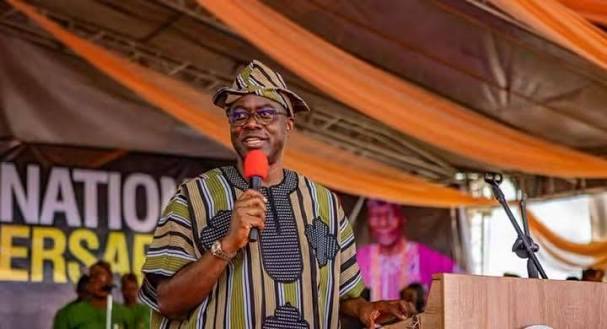
Oyo State Governor Seyi Makinde has warned traditional rulers across the state against openly participating in partisan politics ahead of the 2027 general elections.
Makinde urged monarchs to remain neutral and accommodate politicians from different parties who visit their palaces.
The governor said traditional institutions should remain above partisan competition because monarchs are expected to represent their communities regardless of political affiliation.
Makinde Wants Traditional Institutions To Remain Neutral
The governor’s warning comes as political activities intensify ahead of the 2027 elections.
Makinde advised traditional rulers to receive all political candidates seeking their royal blessings and support without openly taking sides.
He argued that the traditional institution should not become an extension of any political party.
The governor’s position reflects the traditional expectation that monarchs serve as unifying figures within their communities.
Warning Against Political Campaigning
Makinde also warned that traditional rulers who choose to openly participate in partisan political activities should expect to be treated as politicians during political engagements.
The governor’s comments have generated attention because of the increasing involvement of traditional institutions in political mobilisation across Nigeria.
Monarchs frequently receive political candidates during election periods, but the extent to which they publicly endorse candidates remains a subject of debate.
2027 Political Activity Intensifies
Oyo is expected to be an important political battleground ahead of the 2027 elections.
Makinde himself has been active in discussions surrounding the next political cycle and has indicated that he intends to take his political message beyond the state.
His warning to traditional rulers therefore comes against the backdrop of growing political mobilisation across the state.
Why Traditional Neutrality Matters
Traditional rulers often serve as important community leaders and retain significant influence in their domains.
Their public alignment with political parties can therefore affect perceptions of neutrality and potentially deepen political divisions within communities.
Makinde’s appeal is that the institution should remain open to all political actors while allowing citizens to make their own electoral choices.
With the 2027 election approaching, the role of traditional institutions is likely to remain a major subject of political discussion in Oyo State and across Nigeria.