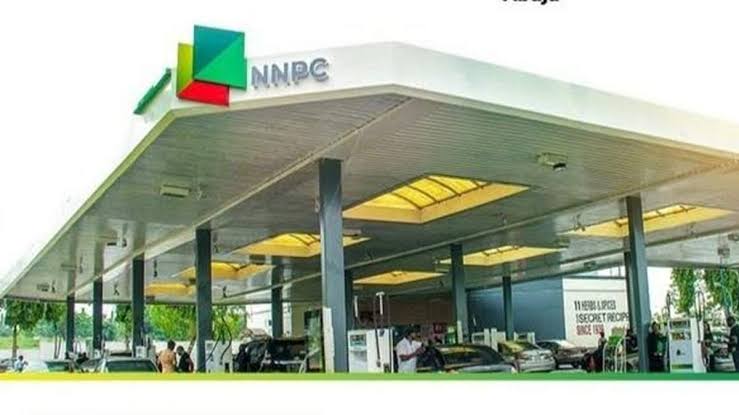
The Nigerian National Petroleum Company Limited (NNPCL) is planning to deploy between 50 and 70 smart self-service filling stations across Nigeria within the next six months, as the national oil company moves toward greater automation in the downstream petroleum sector.
The planned stations are expected to incorporate technology-driven systems designed to make fuel purchases more efficient and reduce the level of manual intervention in filling-station operations.
Push for Smarter Fuel Stations
The proposed deployment is part of a wider shift toward technology and automation in Nigeria’s petroleum retail sector.
Smart and self-service stations can incorporate digital payment systems, automated dispensing and other technologies capable of improving transaction efficiency and operational monitoring.
For consumers, such systems could reduce waiting times and make fuel purchases more convenient.
For operators, automation can also provide better visibility over sales, inventory and station activity.
NNPCL’s Downstream Strategy
The plan comes as Nigeria’s downstream petroleum sector continues to undergo major changes following the removal of petrol subsidy and the expansion of domestic refining capacity.
The emergence of large-scale domestic refining has also increased attention on how petroleum products are distributed and sold to consumers across the country.
The planned smart stations could therefore form part of the broader modernisation of NNPCL’s retail network.
What Self-Service Could Mean for Consumers
A self-service model generally allows customers to interact directly with automated fuel-dispensing and payment systems, potentially reducing dependence on conventional manual processes.
The success of such a system in Nigeria, however, would depend on factors including reliable electricity, payment infrastructure, network connectivity, equipment maintenance and public acceptance.
The proposed rollout is expected to provide the company with an opportunity to test and expand automated retail operations on a larger scale.
Six-Month Deployment Window
NNPCL’s plan targets the deployment of between 50 and 70 stations over the next six months.
If implemented as announced, the rollout would represent another significant step toward the digital transformation of Nigeria’s downstream petroleum retail sector.
The initiative also comes at a time when consumers and businesses are increasingly demanding faster, more transparent and technology-driven services across the energy sector.