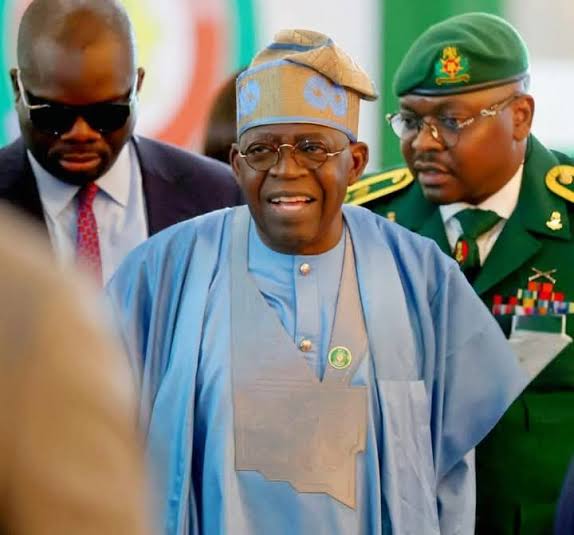
President Bola Tinubu has defended his administration’s economic reforms, arguing that difficult decisions are necessary to address years of economic underperformance and place Nigeria on a path towards sustainable growth.
Tinubu made the remarks while addressing the 32nd Nigerian Economic Summit in Abuja, where government officials, business leaders and economic stakeholders gathered to discuss strategies for creating jobs, improving productivity and expanding prosperity.
The President said his administration was working to dismantle structural barriers that had constrained Nigeria’s economic development, attract investment and unlock the country’s human and natural resources.
“There is no shortcut to economic growth,” Tinubu said, reiterating his position that the country must undertake difficult but necessary reforms to achieve lasting economic progress.
He maintained that the government’s policies were intended to create an environment in which businesses could operate more effectively, investors could commit resources with greater confidence and economic activity could generate more employment opportunities.
The President also argued that Nigeria’s long-standing economic challenges could not be resolved through temporary measures alone, insisting that structural changes were necessary to address underlying weaknesses.
Since taking office in May 2023, Tinubu has pursued major economic policy changes, including the removal of petrol subsidy and adjustments to the foreign exchange regime.
The reforms have generated significant debate over their short-term effects and their potential long-term benefits.
Supporters of the administration argue that the policies are necessary to improve public finances, reduce economic distortions and establish a more sustainable basis for growth.
Critics, however, have raised concerns about the impact of higher living costs on households, particularly the effects of fuel prices, transportation expenses and food inflation.
For many Nigerians, the central question is whether the reforms can deliver tangible improvements in purchasing power, employment and access to essential services.
The administration has maintained that its economic programme is designed to improve productivity, strengthen investor confidence and create opportunities for broader prosperity.
Tinubu’s remarks at the summit reinforced the government’s determination to continue its policy direction rather than reverse the reforms in response to political pressure.
As the 2027 general election approaches, the economic consequences of the administration’s decisions are likely to remain a major issue in national debate.
The government will face continued pressure to demonstrate that the reforms can produce measurable benefits for households and businesses, particularly those struggling with the rising cost of living.
Ultimately, the success of the programme will depend not only on improvements in economic indicators but also on whether those improvements translate into better living conditions for Nigerians.