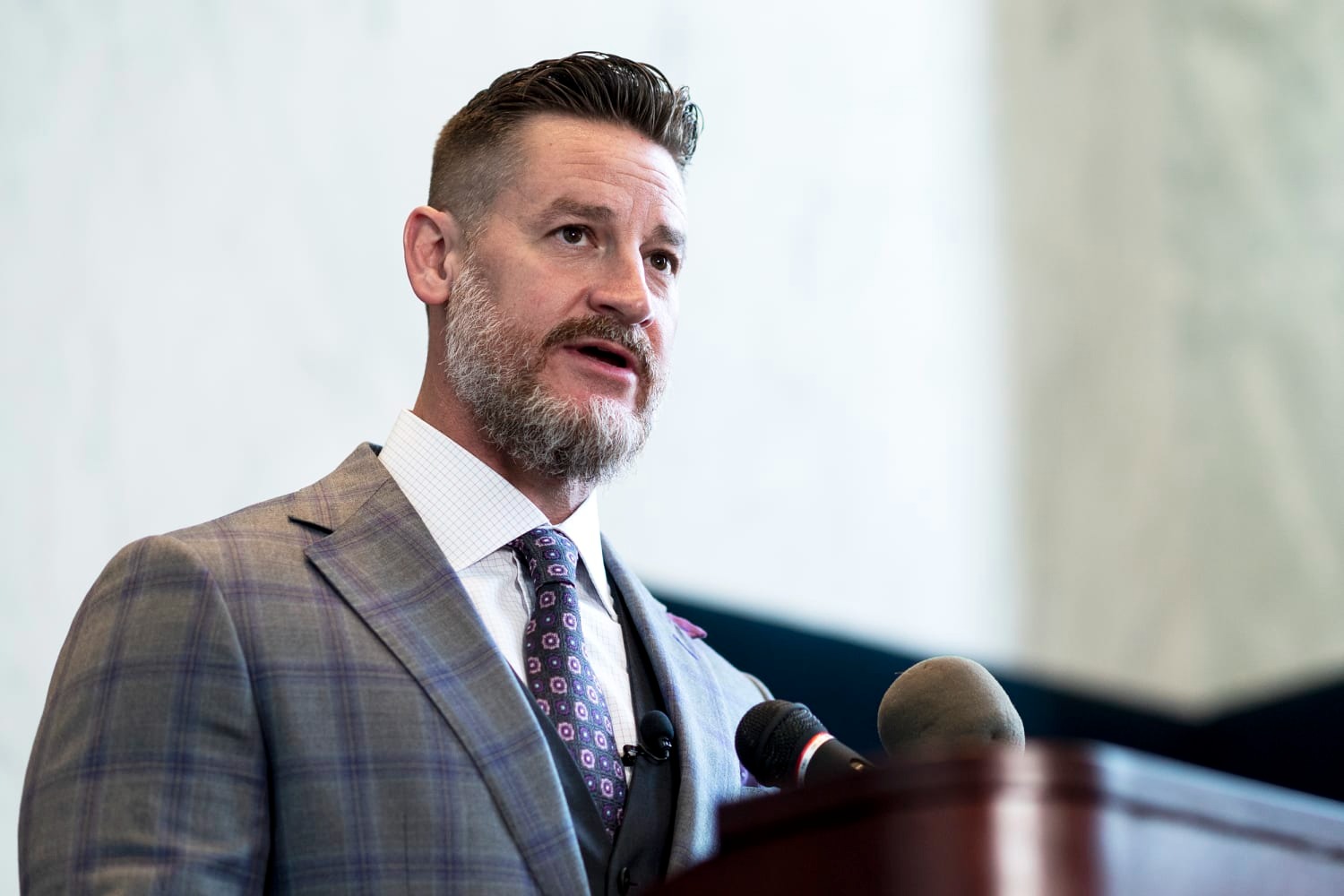
The United States House of Representatives has approved an amendment seeking to withhold 100% of U.S. assistance to Nigeria until the Federal Government demonstrates measurable progress in preventing violence, protecting vulnerable communities and holding perpetrators accountable. The proposal, adopted during consideration of the U.S. fiscal 2027 State Department funding bill, now forms part of a broader legislative process and has not yet become law.
Nigeria has come under fresh international scrutiny after the U.S. House of Representatives approved an amendment that would suspend all American assistance to the country unless the Federal Government takes stronger action against insecurity and recurring violence.
The amendment was adopted by a voice vote during debate on the Fiscal Year 2027 National Security, Department of State and Related Programs Appropriations Bill, increasing an earlier proposal that sought to withhold only half of U.S. assistance.
The amendment was sponsored by Congressman Gregory Steube, who argued that American taxpayers should not continue funding assistance to governments that fail to adequately protect their citizens from persistent attacks.
The original draft of the appropriations bill proposed withholding 50% of U.S. assistance to Nigeria until the U.S. Secretary of State certifies that Nigerian authorities have taken effective steps to prevent violence and ensure accountability. Steube’s amendment raises that threshold to 100%, significantly increasing the pressure on Abuja.
Supporters of the amendment cited continuing attacks by armed groups, terrorism, communal violence and reports of attacks on Christian communities in parts of Nigeria.
According to Steube, the objective is to ensure that U.S. assistance is tied to measurable improvements in civilian protection and justice for victims of violence rather than continuing without clear conditions.
Although the amendment has cleared the House of Representatives, it does not immediately suspend U.S. assistance to Nigeria.
The proposal remains part of the wider appropriations process and must still pass the U.S. Senate before any differences between both chambers are reconciled. It would also require presidential approval before becoming law. Until those steps are completed, existing U.S. assistance programmes remain unaffected.
As of the time of filing this report, the Nigerian Federal Government had not issued an official response to the House action.
The development comes amid renewed international attention on Nigeria’s security situation following repeated attacks in Benue, Plateau and other parts of the country, with foreign governments and human rights organisations continuing to urge stronger protection for civilians.
If eventually enacted, the measure could affect a broad range of U.S.-funded programmes involving security cooperation, governance, humanitarian support and development assistance.
However, analysts note that significant changes could still occur as the legislation moves through the U.S. Senate and final negotiations before any policy takes effect.
The House vote reflects growing concern among some U.S. lawmakers over Nigeria’s security challenges and the protection of vulnerable communities. Whether the proposal ultimately becomes law will depend on the remaining stages of the American legislative process, but it has already intensified international attention on Abuja’s efforts to tackle insecurity.