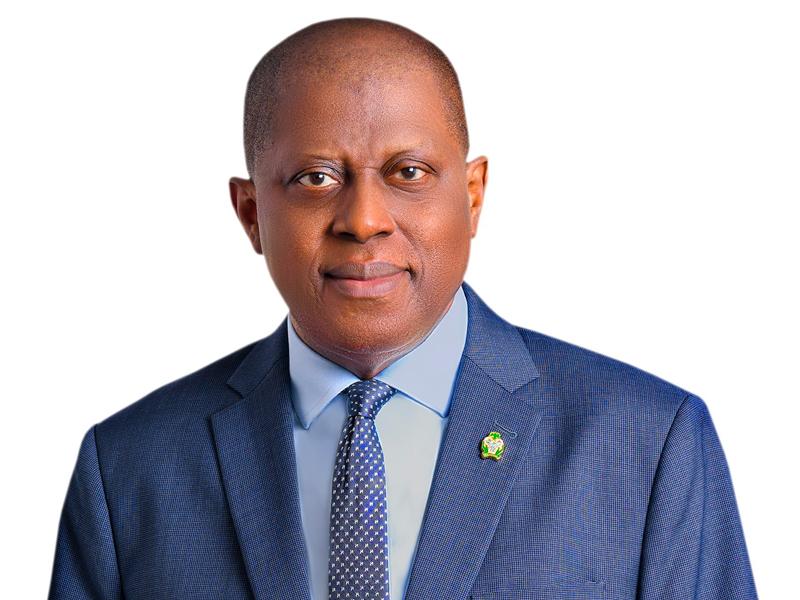
The Governor of the Central Bank of Nigeria (CBN), Olayemi Cardoso, has called for stronger collaboration between governments and the private sector, stressing that creating an enabling environment for businesses is essential to sustaining economic growth, attracting investment and generating employment.
Cardoso made the remarks at the conclusion of the 2026 Annual Meetings of the World Bank and International Monetary Fund in Bangkok, Thailand, where global economic challenges and strategies for building more resilient economies featured prominently in discussions.
The CBN governor said the global economy had demonstrated resilience despite increasing fragmentation and uncertainty, but cautioned that policymakers could not afford to become complacent.
“In spite of global fragmentation, the global economy has weathered it. But there is an appreciation that we cannot afford to rest on our oars,” Cardoso said.
He emphasised that economic resilience alone would not guarantee sustained prosperity, arguing that governments must continue to implement policies that encourage businesses to invest, expand operations and create jobs.
According to him, the private sector has a critical role to play in strengthening economic activity, but businesses require a supportive environment in which they can operate efficiently, access investment opportunities and grow sustainably.
“The importance of the private sector is to ensure an enabling environment is put in place to invest, thrive and create jobs,” he said.
Cardoso also highlighted the growing importance of cooperation between governments and private businesses, noting that economic developments are increasingly subject to public scrutiny and that confidence plays an important role in shaping investment decisions.
“There has not been a greater time for collaboration across governments and the private sector than now. We find that people watch everything that goes on in the economy these days,” he added.
His comments come as Nigeria continues to pursue economic reforms aimed at improving macroeconomic stability, attracting capital and strengthening the country’s capacity to generate sustainable growth.
While improvements in economic indicators can help restore investor confidence, translating those gains into better living standards requires productive investment, stronger businesses and employment opportunities that reach a broad section of the population.
For Nigeria, the challenge is to ensure that economic stability creates the conditions for businesses to expand while addressing persistent concerns over the cost of living, access to finance, infrastructure and job creation.
Cardoso’s remarks reinforce the argument that sustainable economic progress depends not only on government policy but also on the ability of private enterprises to invest, innovate and contribute to national development.