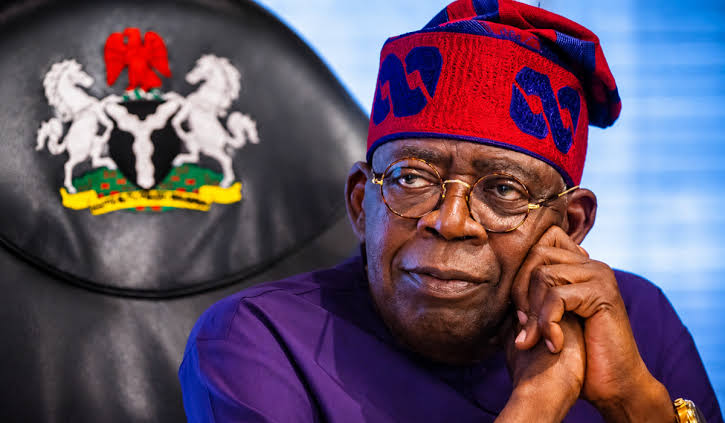
President Bola Ahmed Tinubu’s bid for a second term in office is facing potential challenges in parts of Northern Nigeria, with economic hardship, concerns over federal appointments and infrastructure development emerging as issues in the political contest ahead of the 2027 general elections.
Accounts attributed to sources within the All Progressives Congress (APC) suggest that dissatisfaction over the administration’s policies and the distribution of federal opportunities could complicate efforts to consolidate support across the North-West, North-East and North-Central geopolitical zones.
The sources also identified the political influence of former Vice-President Atiku Abubakar and his longstanding relationships across the region as factors that could shape the contest.
However, the extent of the reported discontent and its likely effect on voting intentions remain uncertain. No polling figures or independently verified regional data were provided to establish the scale of the challenge facing Tinubu.
Economic pressures remain politically significant
The removal of the petrol subsidy, foreign exchange reforms and other economic measures have remained central to the administration’s policy agenda.
While the government has defended the reforms as necessary to stabilise public finances and improve long-term economic performance, their effects on transport costs, food prices, household budgets and business operations have generated continuing public debate.
In an election year, the relationship between economic conditions and voter sentiment is likely to attract particular attention, especially in communities seeking greater access to employment, infrastructure and social services.
Appointments and regional expectations
Federal appointments and the distribution of development projects can also influence perceptions of inclusion and political representation.
Concerns over these issues, if substantiated, could create difficulties for the ruling party as it seeks to maintain support among diverse constituencies.
Atiku’s established political networks in Northern Nigeria may provide a competing platform for opposition mobilisation, although regional familiarity alone does not guarantee electoral success.
A contest that remains open
The 2027 election outcome will depend on a combination of factors, including candidates, party organisation, campaign strategy, economic conditions, voter participation and the credibility of the electoral process.
For Tinubu and the APC, sustaining support in the North will require more than campaign mobilisation; the administration will also face pressure to demonstrate tangible results from its policies.
For the opposition, converting dissatisfaction into votes will require effective organisation and a credible programme capable of appealing to voters across regional and political divides.