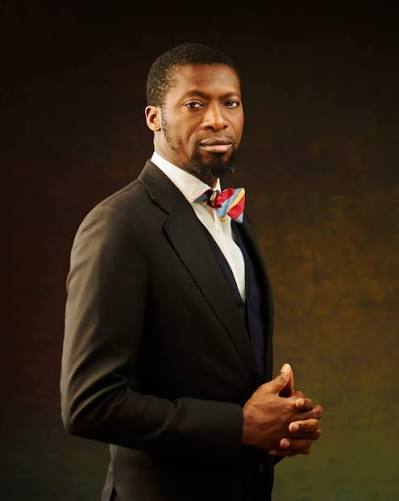
The runner-up in the Nigerian Bar Association (NBA) presidential election, Lateef Omoyemi Akangbe, SAN, has rejected the outcome of the poll, describing it as “shambolic” and “a shame to the Bar.” Akangbe alleged that widespread technical failures prevented thousands of lawyers—including himself—from voting, raising concerns about the credibility of the electronic election process.
Fresh controversy has erupted over the just-concluded Nigerian Bar Association presidential election after candidate Lateef Omoyemi Akangbe (SAN) rejected the exercise, citing alleged voter suppression and technical failures.
Akangbe, who finished second behind Oyinkansola Badejo-Okusanya (SAN), claimed the electronic voting process was marred by authentication errors, platform failures and procedural irregularities that disenfranchised many eligible voters.
In a post-election statement, Akangbe revealed that he was unable to cast his own ballot despite receiving multiple voting links from election officials.
According to him, repeated authentication failures and persistent technical glitches made it impossible for him to vote, despite several attempts throughout the exercise.
He argued that if a presidential candidate could not successfully vote, the integrity of the entire electoral process deserved serious scrutiny.
Akangbe alleged that thousands of lawyers experienced similar problems during the election, claiming many remained awake through the night trying unsuccessfully to access the voting portal.
He also questioned the Electoral Committee of the NBA (ECNBA) over its decision to alter the election timetable and criticised the use of email-based one-time passwords instead of the previously communicated SMS verification method.
The senior advocate further alleged that the electronic ballot initially displayed only one presidential candidate’s photograph, describing the incident as another sign of poor election management.
Despite the controversy, President-elect Oyinkansola Badejo-Okusanya (SAN) accepted her victory and appealed to lawyers across the country to unite behind a common vision for the association.
She pledged to lead with integrity, accountability and inclusiveness while working to improve lawyers’ welfare and strengthen the independence of the legal profession.
The Electoral Committee declared Badejo-Okusanya winner after she polled 12,317 votes, ahead of Akangbe’s 7,934 votes, making her the second woman to lead the Nigerian Bar Association.
As of the time of reporting, the ECNBA had not announced any decision to review or rerun the election despite the complaints raised by Akangbe.
Akangbe’s rejection of the election has added an unexpected twist to the NBA’s leadership transition. Whether the allegations will lead to further legal or institutional action remains to be seen, but they have already sparked wider debate about the reliability of electronic voting within one of Nigeria’s most influential professional bodies.