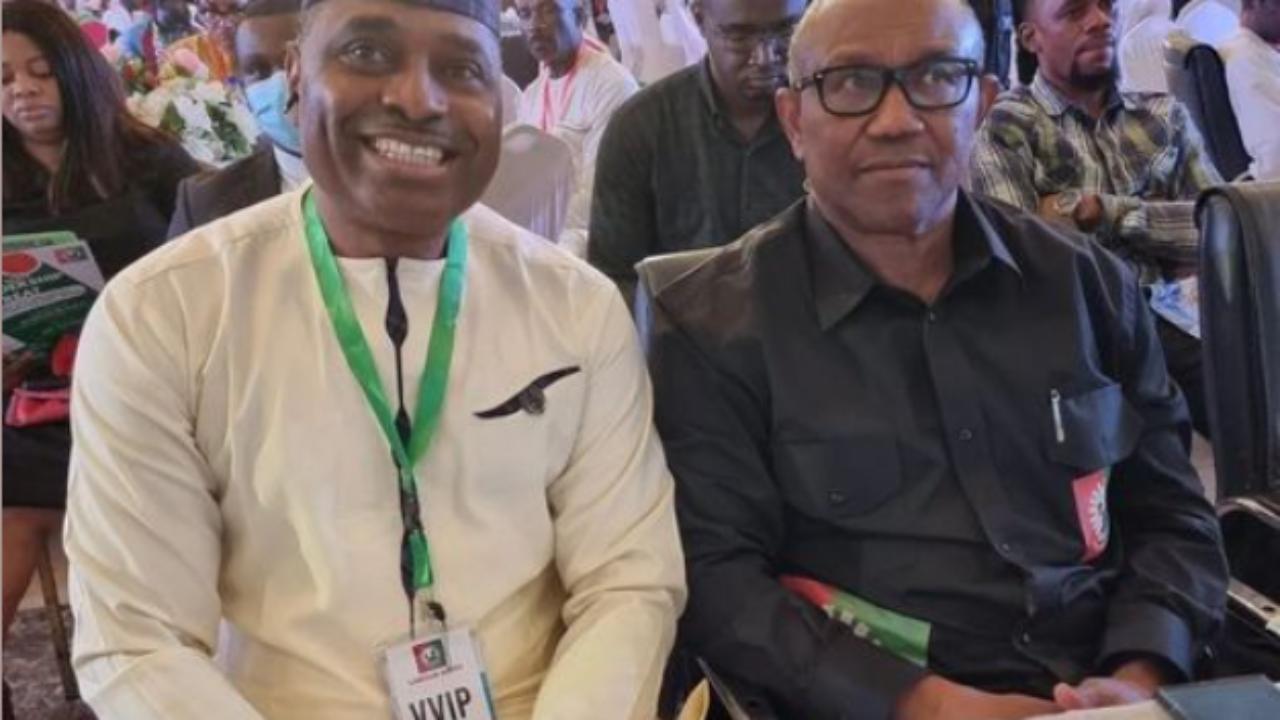

Kenneth Okonkwo, a former spokesman for Peter Obi’s 2023 presidential campaign and a chieftain of the African Democratic Congress (ADC), has said he was misled when he previously defended the former Anambra State governor against allegations that his administration left behind debts and other financial obligations.
Okonkwo made the disclosure on TVC’s Sunday Politics, where he discussed the controversy surrounding the financial records of Anambra State following the publication of figures attributed to the state government.
According to reports of the interview, Okonkwo said information that had emerged since his earlier interventions had changed his understanding of some of the claims he made while defending Obi’s record in office.
A Reassessment of Obi’s Financial Record
During Obi’s 2023 presidential campaign, Okonkwo publicly defended the former governor against criticisms concerning the state’s finances, including claims about outstanding debts, unpaid salaries, pensions and gratuities.
His latest comments indicate that he no longer considers some of his earlier statements an accurate reflection of the information now available to him.
The remarks come amid a dispute between Obi and the Anambra State Government over the financial position of the state at the end of his administration in 2014.
The state government has said liabilities, including loans reportedly totalling approximately $123.77 million, were not reflected in Obi’s handover documents. Obi’s record and the interpretation of the figures have become subjects of renewed political debate.
The precise nature of the obligations, their treatment in the state’s financial records and the distinction between loans, investments and other liabilities remain important to understanding the dispute.
Political Implications
Okonkwo’s intervention is significant because of his previous role in Obi’s presidential campaign and his subsequent political alignment with the ADC.
His comments also demonstrate how disclosures about a former administration’s financial records can reshape political arguments years after the officials concerned have left office.
However, Okonkwo’s change of position does not, by itself, establish the full amount of any outstanding liabilities or resolve the disagreement over how the financial records should be interpreted.
Those questions require examination of the underlying documents, including audited accounts, loan agreements, handover records and any official responses from the parties involved.
The Need for Documentary Clarity
The controversy has renewed attention on transparency in state finances and the importance of comprehensive handover documentation when administrations change.
A clear reconciliation of the relevant financial records would help distinguish outstanding obligations from investments, guarantees and other financial arrangements.
For now, Okonkwo’s remarks add a new dimension to the public dispute, with the former campaign spokesman acknowledging that information emerging since his earlier defence has altered his position.
The central issue remains the documentary evidence surrounding Anambra’s finances at the conclusion of Obi’s tenure.