ECONOMY | PUBLIC DEBT | POLITICS
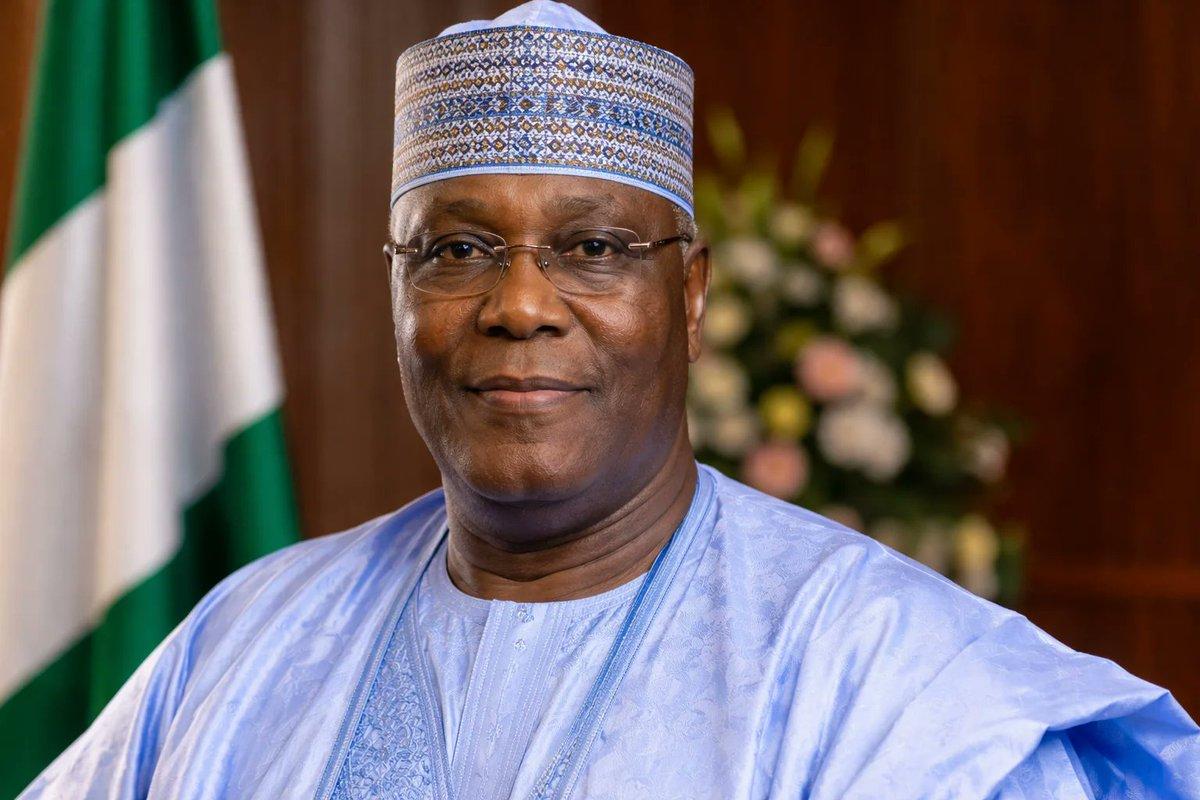
Former Vice President Atiku Abubakar has challenged the Federal Government’s plan to seek $1.5 billion in new financing from the World Bank, asking the administration of President Bola Ahmed Tinubu to account for existing borrowings before pursuing additional loans.
Atiku, the presidential candidate of the African Democratic Congress (ADC), made his position known through Phrank Shaibu, Director of Strategic Communications of his presidential campaign council.
The criticism follows reports that the Federal Government is discussing three proposed World Bank financing facilities worth $500 million each, covering climate resilience, social protection and early childhood development.
Nigeria’s total public debt stood at approximately ₦166.79 trillion as of June 30, 2026, according to figures from the Debt Management Office cited in reports on the proposed borrowing.
Atiku Seeks Accountability for Existing Borrowing
Atiku argued that the government should provide a clear account of funds previously borrowed and demonstrate how the money has been used before proceeding with further borrowing.
He linked his concerns to the economic pressures facing Nigerian households, including the cost of food, transportation, electricity and other essential expenses.
According to the ADC candidate, rising public debt requires greater transparency about the benefits Nigerians are receiving from government borrowing.
His position centres on accountability, the management of public resources and the relationship between additional borrowing and measurable economic outcomes.
What the Proposed World Bank Financing Covers
The proposed $1.5 billion package comprises three facilities, each valued at $500 million, according to reports citing World Bank documents.
The proposed areas of financing include climate resilience, social protection and early childhood development.
Such facilities may support government programmes in areas where public financing needs are substantial. However, the implications for Nigeria’s debt obligations depend on the final terms, disbursement arrangements and repayment conditions of the facilities.
The reported proposal should therefore be distinguished from a completed loan disbursement.
Nigeria’s Debt Position
The reported ₦166.79 trillion public-debt figure reflects the outstanding obligations recorded as of the end of June 2026.
Public borrowing is commonly used to finance infrastructure, social programmes and other government expenditure, particularly when revenue is insufficient to meet spending requirements.
Its fiscal implications depend on factors including borrowing costs, repayment schedules, the returns generated by funded projects and the government’s capacity to raise revenue.
Atiku’s intervention has brought renewed political attention to these questions as the country considers additional external financing.
Debate Over Borrowing and Economic Outcomes
The disagreement highlights competing concerns over Nigeria’s development-financing needs and the importance of debt sustainability.
The government would need to explain the intended benefits of any additional borrowing, while public scrutiny of the terms, objectives and results of the financing remains central to accountability.
Atiku has called for greater transparency before the country assumes further obligations.
The proposed facilities, their final terms and the government’s response to the criticism will be important developments to monitor.