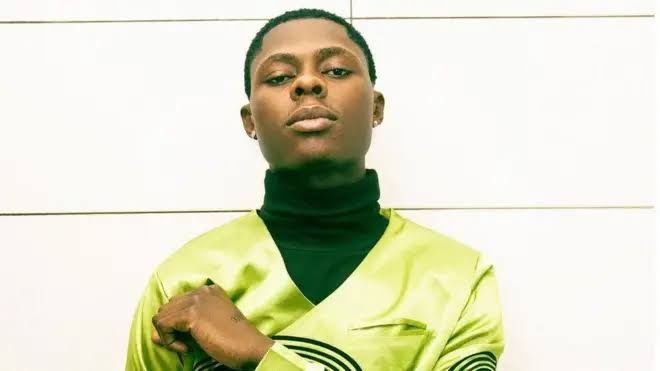
Three years after the death of Nigerian singer Ilerioluwa Aloba, popularly known as Mohbad, his name remains deeply etched in Nigeria’s entertainment and social justice conversations.
Mohbad died on September 12, 2023, at the age of 27, triggering widespread public outrage, protests and demands for answers over the circumstances surrounding his death.
His death quickly became one of the most discussed events in Nigeria’s recent entertainment history.
Within days, the hashtag #JusticeForMohbad became a major social movement as Nigerians demanded an investigation into the events leading up to his death.
The controversy was intensified by allegations of intimidation, violence and conflict involving people around the singer before his death.
His death also prompted renewed scrutiny of his relationship with Marlian Music, the record label previously associated with him.
Mohbad had left the label before his death, and tensions surrounding his departure became part of the public discussion after his passing.
The Lagos State Government subsequently became involved in efforts to establish what happened.
His body was exhumed for an autopsy after public pressure intensified, while the Lagos State Police Command established an investigation into the circumstances surrounding his death.
The singer’s death also produced a rare convergence between entertainment culture and street-level activism.
Young Nigerians who had followed Mohbad’s career took to the streets and social media platforms, demanding accountability.
The movement extended beyond Nigeria, with fans and supporters in other countries also expressing concern and calling for justice.
Three years later, the circumstances surrounding Mohbad’s death remain a subject of public interest.
The singer’s family members, fans and supporters have continued to demand clarity on the issues surrounding his final days.
At the centre of the controversy is a simple but enduring question: what exactly happened before Mohbad died?
The investigation into his death has been complicated by conflicting accounts and the large volume of information circulated through social media.
Some claims made after his death have never been independently established, while others became subjects of formal investigation.
This makes the distinction between evidence, allegation and social-media speculation particularly important.
Mohbad’s musical legacy has also continued to grow since his death.
Songs from his catalogue have attracted renewed attention, while his name remains prominent in conversations about the treatment of young artists within Nigeria’s entertainment industry.
His death also sparked discussions about power relationships between record labels and artists, contractual disputes, mental health, physical safety and the responsibilities of people within the entertainment ecosystem.
As Nigerians mark the third anniversary of his death, the demand for justice remains intertwined with a wider demand for accountability.
For many of his fans, remembering Mohbad is not simply about celebrating the music he left behind but also about seeking definitive answers surrounding the circumstances of his death.
Three years on, his story continues to resonate because the questions raised by his death have proved difficult to separate from Nigeria’s broader conversations about celebrity, power, justice and accountability.