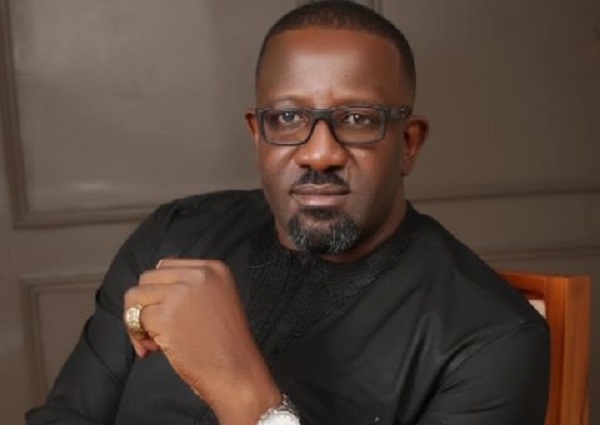
Former South-East spokesman to President Bola Ahmed Tinubu, Denge Josef Onoh, has urged Minister of the Federal Capital Territory, Nyesom Wike, to formally join the All Progressives Congress (APC) or withdraw from the party’s internal affairs.
Onoh’s intervention comes amid growing political activity ahead of the 2027 general elections and continuing debate over Wike’s political alignment.
Wike remains a member of the Peoples Democratic Party (PDP), but has openly supported President Tinubu’s bid for a second term. His position has placed him at odds with sections of his party and has fuelled speculation about the future of the political alliance popularly described as the “Rainbow Coalition.”
In his latest comments, Onoh argued that Wike’s continued involvement in the affairs of the ruling APC without formally joining the party could create tension within its ranks.
He accused the FCT minister of pursuing a political strategy that could sow discord within the APC in a manner similar to the internal disagreements that weakened the PDP.
Onoh’s warning was reported by Vanguard, which said he also argued that the emerging coalition could threaten the APC’s prospects if not properly managed.
Onoh raises concerns over party discipline
The former presidential spokesman said political actors operating within a party’s structure should be clear about their affiliation and responsibilities.
His position effectively presents Wike with two options: formally embrace the APC or limit his involvement in the party’s internal affairs.
Onoh also urged APC stakeholders to protect the party’s structures ahead of the 2027 elections, stressing the importance of discipline and unity as the ruling party prepares for another presidential contest.
The comments add to an increasingly complicated political picture surrounding Wike.
Since the 2023 election, the former Rivers State governor has maintained a distinctive political position. Although he lost the PDP presidential primary to Atiku Abubakar in 2022, he subsequently became part of the G5 governors’ revolt against the party’s presidential campaign.
Following the election, Wike accepted President Tinubu’s appointment as FCT minister.
He has since repeatedly expressed support for Tinubu’s administration and has backed the President’s 2027 re-election bid.
Wike’s political position remains unusual
Wike’s position is politically significant because he has not formally defected from the PDP even while supporting the candidate of another party.
That has generated criticism from PDP members who believe his continued membership of the opposition party is incompatible with his support for Tinubu.
At the same time, Wike’s influence extends beyond formal party membership. His political network, particularly among former Rivers State political allies and members of the G5 bloc, remains relevant to the calculations surrounding the 2027 election.
Onoh’s latest statement therefore touches on a broader question facing Nigerian politics: whether cross-party alliances can coexist with formal party structures without generating internal conflict.
The ruling APC has been attracting politicians from opposition parties as preparations for 2027 intensify, while several opposition groups are attempting to consolidate their own coalition.
The 2027 battle takes shape
The exchange comes at a time when the political landscape is increasingly dominated by questions of alliances, defections and presidential endorsements.
President Tinubu is seeking another term, while opposition parties and emerging political platforms are positioning themselves to challenge him.
Wike’s support for Tinubu has made him one of the most closely watched figures in the opposition camp, particularly because of his continued PDP membership.
Whether he eventually joins the APC remains a political question for the minister.
For now, Onoh’s intervention has added another layer to the debate, with the former Tinubu aide insisting that Wike must clarify where he stands if he intends to remain influential in the ruling party’s affairs.