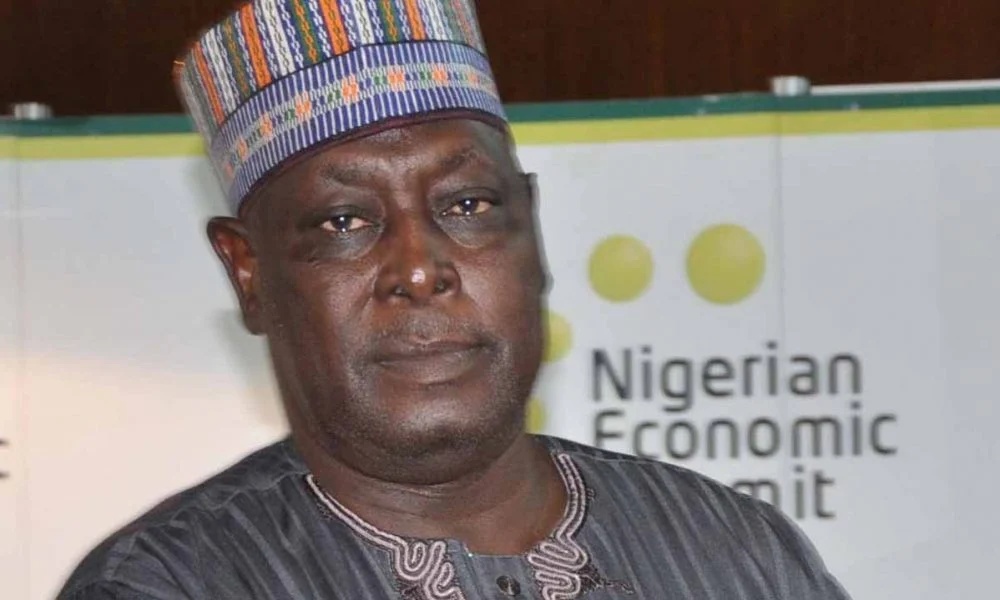
The Presidency has rejected Peter Obi’s claim that President Bola Ahmed Tinubu has abandoned governance during his extended stay outside Nigeria, saying the President has remained engaged with government affairs and is expected to return to the country this week.
Bayo Onanuga, Special Adviser to the President on Information and Strategy, responded to Obi in a post on X amid renewed debate over Tinubu’s absence from the 81st United Nations General Assembly in New York.
Onanuga argued that the President does not have to be physically present in Abuja to perform his constitutional responsibilities in an era of digital communication.
Obi Questions Presidential Absence
Obi, the Nigeria Democratic Congress presidential candidate, had criticised Tinubu’s prolonged stay abroad and questioned his absence from the UN General Assembly.
The former Anambra governor argued that the President should be physically engaged with the country’s challenges rather than remaining abroad for an extended period.
The comments added to a wider public debate over the President’s travel schedule and Nigeria’s representation at major international diplomatic events.
Presidency Calls Trip a Working Vacation
Onanuga said Tinubu had been on a working vacation and remained entitled to take such leave.
He said the President had continued to work while abroad and remained in contact with developments in Nigeria.
The presidential spokesperson also said Tinubu was expected back in Nigeria this week.
The Presidency has maintained that Vice President Kashim Shettima represented Nigeria at the UN General Assembly and carried the President’s mandate during the international gathering.
Debate Over Presidential Presence
The disagreement raises two separate questions: whether a president can effectively discharge official duties while abroad and whether extended periods outside the country require additional public communication about official engagements.
The Presidency has emphasised the former, pointing to digital communications and continued direction of government business.
Critics have focused on the latter, particularly Tinubu’s absence from the annual UN gathering and the duration of his stay outside Nigeria.
The two positions represent different assessments of presidential visibility, international representation and public accountability.
Tinubu’s Expected Return
According to Onanuga, Tinubu is expected to return to Nigeria during the week of September 28.
The President’s return would bring the current period of political debate over his overseas stay into a new phase, with attention likely to shift to his domestic schedule and official engagements.
The Presidency’s position remains that Tinubu has continued to perform his duties throughout the trip.
Obi’s criticism represents the opposition candidate’s political assessment of the President’s absence.
Category: Politics, Presidency, Governance
Tags: Bola Tinubu, Peter Obi, Bayo Onanuga, Presidency, UNGA81, Nigeria Politics, Presidential Travel, Governance, 2027 Elections
- Babachir Lawal Says Atiku Asked Him to Pursue Obi as Running Mate
POLITICS | 2027 ELECTIONS | OPPOSITION
Babachir Lawal Reveals Alleged Atiku Proposal to Recruit Peter Obi as Running Mate
Former Secretary to the Government of the Federation, Babachir Lawal, has claimed that former Vice President Atiku Abubakar once asked him to persuade Peter Obi to join the African Democratic Congress (ADC) and accept the position of running mate for the 2027 presidential election.
Lawal said Atiku gave him the assignment while both politicians were associated with the ADC, according to the account attributed to him.
He further claimed that the proposed political arrangement was linked to an idea for a constitutional amendment establishing a single six-year presidential term.
The claim is Lawal’s account and should not be treated as confirmation that Atiku made the proposal without corroborating evidence from Atiku or other participants.
Alleged Six-Year Presidency Proposal
According to Lawal, the proposed arrangement would have involved Atiku running for president with Obi as his vice-presidential candidate under the ADC.
He said the plan was connected to a broader proposal for constitutional reform that would replace the current presidential tenure arrangement with a single six-year term.
A six-year single-term model has previously featured in Nigerian constitutional and political debates, including proposals aimed at reducing the incentive for incumbents to focus on securing a second term.
However, the proposal remains distinct from the current constitutional framework, under which the President can serve a maximum of two four-year terms if re-elected.
Obi Previously Addressed VP Discussions
Lawal’s account comes amid continuing debate over the relationship between Atiku and Obi and whether the two opposition politicians could have reached an electoral arrangement.
Obi has previously said that he did not reject an offer to become Atiku’s running mate because, according to him, no such proposal was formally made.
In a September interview, Obi said discussions had moved beyond individual candidates and focused on the broader question of political cooperation.
That earlier position contrasts with Lawal’s latest account, making the details of the alleged proposal a matter of competing recollections.
ADC Coalition and 2027 Politics
Atiku and Obi were among opposition figures who previously participated in discussions around an opposition coalition.
The political realignment later produced separate presidential candidacies, with Atiku emerging as the ADC presidential candidate while Obi became the NDC presidential candidate.
Lawal himself subsequently joined the NDC and has been involved in the party’s political activities.
His latest disclosure therefore comes against the backdrop of significant changes in the opposition landscape ahead of the 2027 presidential election.
What Remains Unclear
Lawal’s account does not by itself establish whether Atiku formally authorised a proposal to Obi, whether Obi considered it or whether the proposed constitutional amendment had reached any formal legislative stage.
Those questions would require confirmation from the individuals involved and documentary evidence of any constitutional proposal.
The disclosure nevertheless provides another account of the negotiations and political calculations that preceded the emergence of separate opposition presidential platforms for 2027.