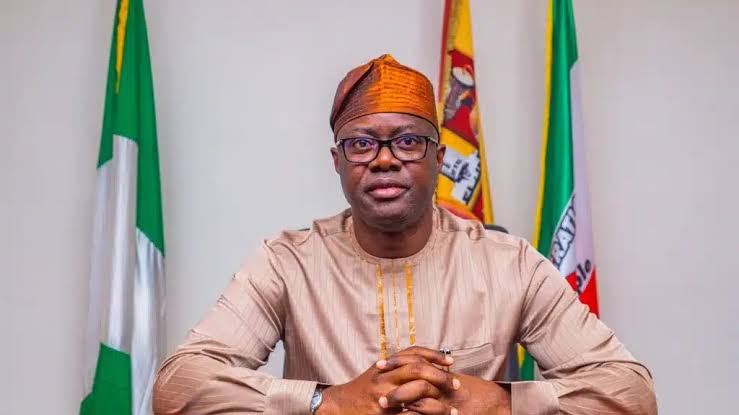
The Presidency has dismissed Oyo State Governor Seyi Makinde’s claim that the Federal Government is withholding ₦250 billion in Nigeria LNG Limited (NLNG) dividends due to each state until after the 2027 general election.
Makinde raised the allegation at the 2027 Budget Stakeholders’ Consultative Engagement in Ibadan, where he argued that the delayed release of the funds was affecting states’ ability to finance strategic development projects.
The governor said the money could support economic expansion and infrastructure development in Oyo State and other parts of the country.
The Presidency rejected the allegation, disputing the suggestion that the Federal Government was deliberately delaying the funds for political reasons.
Dispute Over Revenue and State Funding
Makinde’s claim has brought renewed attention to the relationship between federal revenue management and the resources available to state governments.
States rely on statutory allocations and other revenue sources to finance infrastructure, education, healthcare, security and public services. Any delay or uncertainty involving expected revenue can affect budget planning and the implementation of development projects.
However, the specific claim concerning ₦250 billion in NLNG dividends requires clarification of the underlying financial arrangements, including the amount involved, the intended beneficiaries, the payment schedule and the authority responsible for any release.
The allegation that the money is being withheld until after the election also requires documentary evidence before it can be treated as established fact.
Questions Over Transparency
A clear public accounting of the disputed funds would help establish whether the disagreement concerns the timing of a payment, the allocation of revenue or a broader dispute over fiscal management.
It would also help state governments plan their budgets based on verifiable revenue expectations.
The dispute comes as political tensions rise ahead of the 2027 elections, with economic management and the relationship between federal and state authorities likely to remain major campaign issues.
Until the relevant financial records and official explanations are available, the competing claims should be treated as disputed rather than conclusive evidence of political interference.