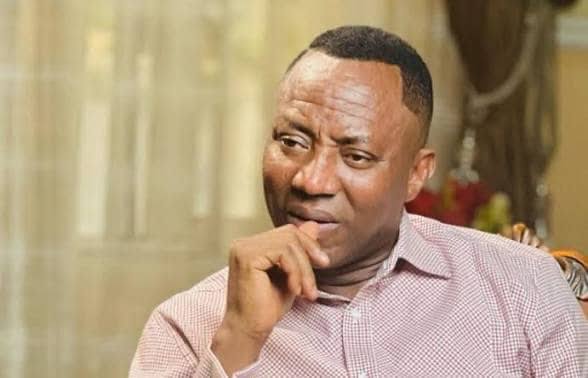
African Action Congress (AAC) presidential candidate Omoyele Sowore has accused former Anambra State governor Peter Obi of secretly directing his supporters to work for former Vice-President Atiku Abubakar ahead of the 2027 presidential election, escalating tensions among opposition figures seeking to challenge President Bola Tinubu.
Sowore made the allegation in a statement in which he criticised what he described as efforts to undermine the AAC’s political agenda. He also alleged that Obi was positioning himself to become Secretary to the Government of the Federation (SGF) if Atiku wins the presidency.
“If you haven’t noticed, the packaged fraud, Mr. Peter Obi is secretly directing his supporters to work for @Atiku Abubakar because they are opposed to our revolutionary mandate. Obi is positioning himself to become Atiku’s SGF,” Sowore said.
The allegation has added another dimension to the competition among opposition politicians as parties work to consolidate their support bases ahead of the 2027 general election.
Opposition realignment intensifies
Atiku is associated with the African Democratic Congress (ADC), while Obi is the presidential candidate of the Nigeria Democratic Congress (NDC), according to the political arrangements described in the report.
The two politicians were previously linked to efforts to build a broader opposition coalition under the ADC. That arrangement subsequently gave way to separate party platforms, leaving questions about whether opposition groups could establish a common strategy before the next election.
Obi has maintained that any future political alliance would require consultations among the parties involved rather than a unilateral decision by individual candidates.
The competing political alignments have created room for speculation about possible cooperation, disagreements over strategy and the distribution of influence within the opposition.
Sowore’s claim remains unsubstantiated
Sowore’s allegation that Obi is secretly mobilising supporters for Atiku and seeking an appointment in a prospective Atiku administration has not been substantiated by evidence in the statement provided.
The claim should therefore be treated as an allegation rather than an established account of Obi’s political intentions. Any response from Obi or his representatives would be necessary to provide his position on the accusation.
As the election approaches, the extent to which opposition candidates can cooperate, compete independently or negotiate new alliances is likely to remain a major feature of Nigeria’s political landscape.