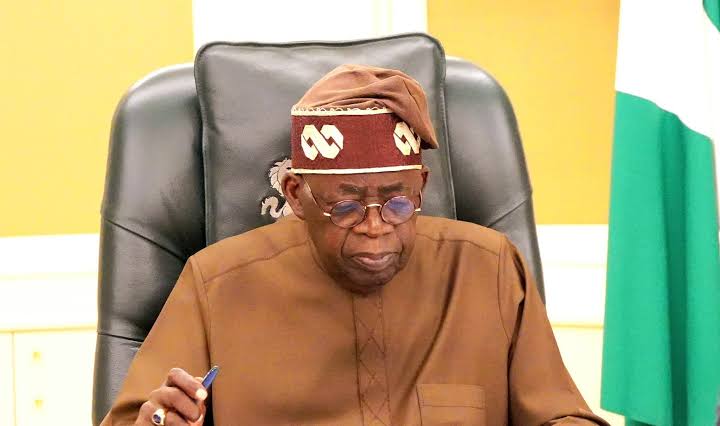
President Bola Ahmed Tinubu has sought the approval of the House of Representatives for external loans totalling $20.52 billion and €1.045 billion to finance infrastructure and development projects under the Federal Government’s 2026–2027 Supplementary External Borrowing Rolling Plan.
The President’s request was conveyed in a letter read by Speaker of the House of Representatives, Abbas Tajudeen, during plenary in Abuja on Wednesday.
According to the request, the proposed borrowing is intended to support critical sectors of the economy, including infrastructure, agriculture, healthcare, education, water supply, security and employment generation. The plan also covers financial management reforms and programmes designed to stimulate economic growth.
Tinubu urged lawmakers to consider and approve the borrowing plan early, arguing that timely approval would facilitate the implementation of projects and programmes across the country.
The President said the proposed investments were intended to address Nigeria’s infrastructure deficit, expand economic opportunities and improve living conditions. He also indicated that the projects had been selected following technical and economic assessments of their anticipated contributions to national development.
The plan is expected to cover projects across Nigeria’s 36 states and the Federal Capital Territory, although the request, as presented, did not provide a comprehensive project-by-project breakdown of the proposed facilities.
The proposed borrowing would add to the Federal Government’s financing commitments at a time when public debt, debt-servicing costs and the sustainability of external borrowing remain important issues in Nigeria’s economic debate.
Supporters of the administration’s approach argue that external financing can help fund major infrastructure projects that may be difficult to deliver through annual budgetary allocations alone. Critics, however, have called for greater transparency regarding project selection, financing terms and the expected economic returns on borrowed funds.
The House of Representatives is expected to scrutinise the proposal as part of the legislative process before any approval is granted. The effectiveness of the plan will ultimately depend on how the funds are allocated, managed and translated into completed projects and measurable public benefits.