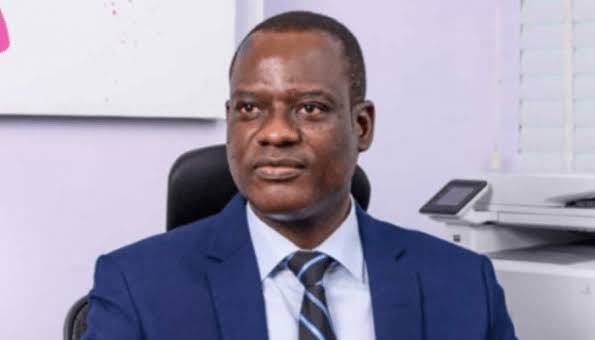
Nigeria’s Minister of Finance and Coordinating Minister of the Economy, Taiwo Oyedele, has argued that borrowing and debt financing remain important tools for economic development, particularly for countries seeking to expand investment, create jobs and improve living standards.
Oyedele made the remarks on the sidelines of the 2026 World Bank and International Monetary Fund Annual Meetings in Bangkok, Thailand, where policymakers and financial leaders are discussing economic growth, debt sustainability and access to development financing.
As chairman of the Intergovernmental Group of Twenty-Four (G-24), Oyedele spoke amid calls from developing economies for more affordable financing to support investment while managing rising debt-service costs and limited fiscal space.
Borrowing must support productive investment
Access to finance can help governments fund infrastructure, education, healthcare, electricity and other projects that might otherwise be delayed by limited public revenue.
For developing economies, well-managed borrowing can also support private-sector activity, improve productivity and expand employment opportunities.
However, the economic value of a loan depends on how effectively the funds are deployed, the cost of borrowing, the repayment schedule and the returns generated by the financed projects.
Borrowing that fails to produce sufficient economic benefits can place additional pressure on public finances and divert revenue away from essential services.
Debt sustainability remains a concern
Many emerging markets face competing demands for infrastructure investment and social spending while servicing existing debt obligations.
Higher borrowing costs and constrained access to affordable credit can make it more difficult for governments to finance development priorities without increasing fiscal risks.
Oyedele’s position places emphasis on the role of financing in stimulating growth, but the broader policy challenge remains ensuring that debt supports productive activity rather than creating unsustainable repayment obligations.
For Nigeria, the effectiveness of borrowing will depend on transparent project selection, prudent debt management, efficient public spending and measurable outcomes in employment and economic productivity.
The discussions at the annual meetings are expected to keep financing conditions and development needs in focus as governments seek ways to balance investment requirements with long-term fiscal stability.